Marl & Shell — Landscape Studio
Naples, Florida · (239) 555-0107
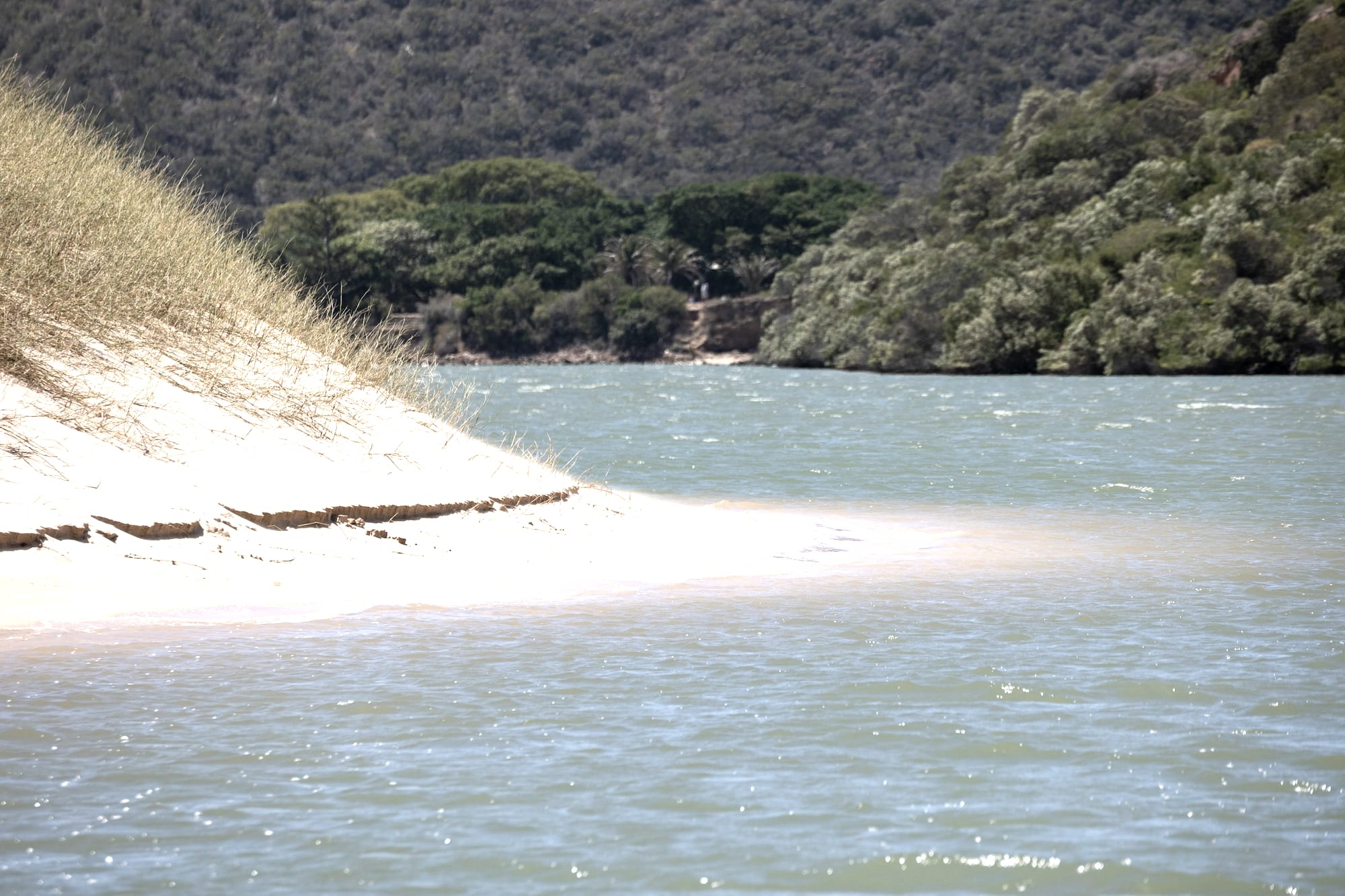
Plate 00 — coastal hammock edge, Rookery Bay
Coastal hammock edge on the southwest Florida shore, low sun.

Most of what gets planted here dies.

Salt on the wind, sand that holds nothing, six months without rain and then thirty inches in a week, irrigation drawn off a shallow well that runs brackish by April. A hurricane every few seasons to settle the argument. We are a design studio for that ground — not a lawn service.

Ruth Vandegrift has planted this coast since 2004, from Keewaydin to the Vanderbilt canals. The studio designs, installs and maintains, and it publishes its plant list below in full, with what each species does under salt, drought and wind. If it isn't on that list we don't put it in your ground.

01 — Practice

Design

Site survey first: soil probe at six points, a salt reading at the property line, and a note of where water actually sits after a summer storm. Then a planting plan drawn to that, not to a mood board. You get a species list with quantities and sizes, a grading and drainage sheet, and an irrigation zone map you can hand to anyone.

6–10 weeks · from $4,800 for a half-acre lot

Install

Our own crew, no subs on planting. Beds get eight inches of compost worked into the marl soil, not a bag of topsoil over it. Every tree goes in at grade with the root flare visible, staked low and released after one season. Two years of replacement on anything we specified that fails.

Crew of five · February to June is the right window

Maintain

Twice-monthly visits by the same two people, who know which plant is which and prune to the species rather than to a hedge line. Scope below in full. We take on maintenance for gardens we did not design, after a walk-through and usually a season of correction.

24 visits a year · scope stated in section 03
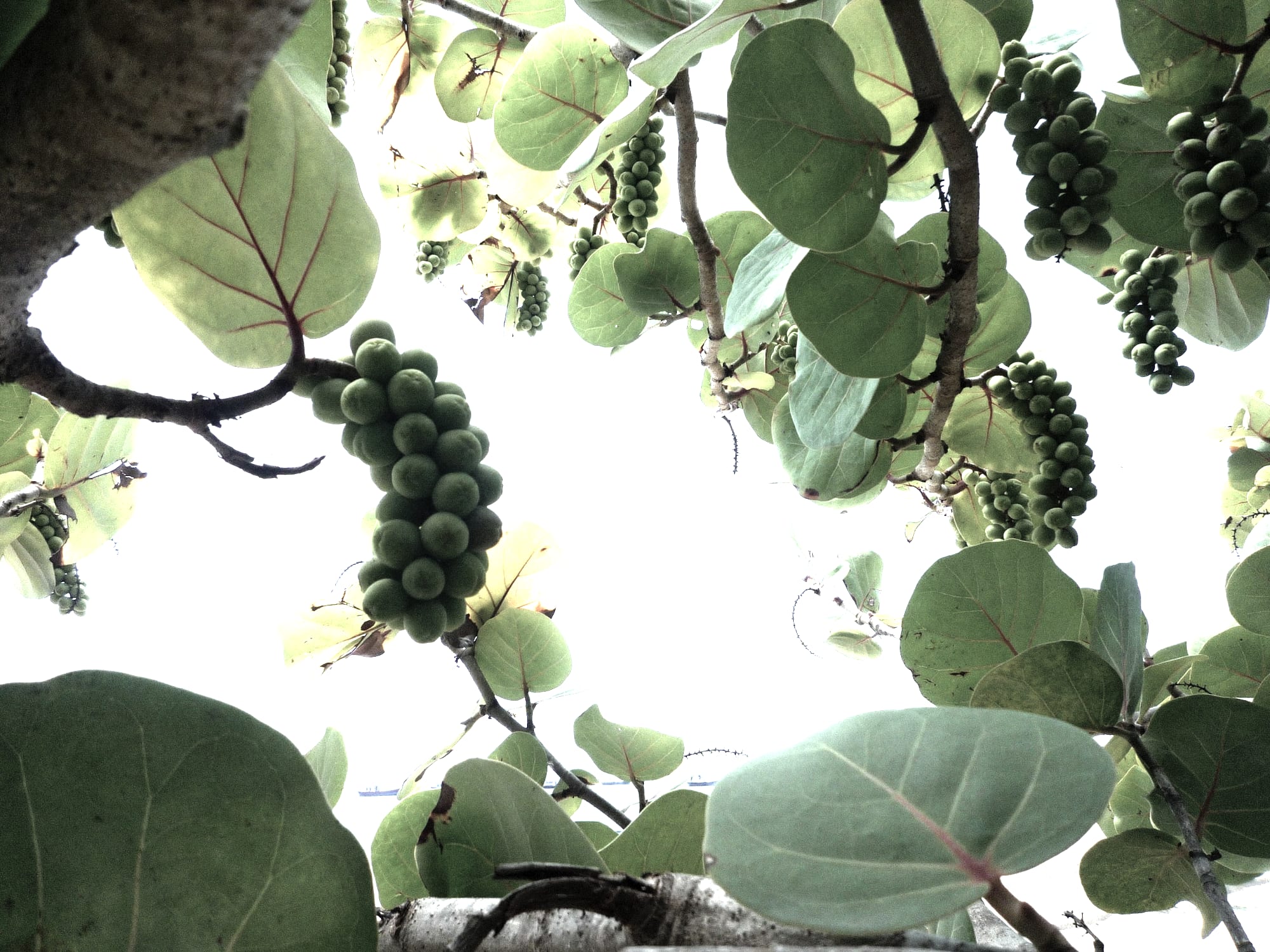
Plate 01 — sea grape at the dune crest, Seagate
Sea grape foliage and fruit at the crest of a dune, seen from beneath the canopy.

Everything here is a graded line

All three stages are one idea. What takes the salt goes in front, what cannot goes behind it, and the ornamental planting lives in the lee of something — a house, a wall, or a first rank of plants doing the work. Get that order wrong and no amount of maintenance will fix it.

Sea grape is usually the front rank. It strips to bare wood in a storm and is back in full leaf inside six weeks, which is the whole argument for planting it where the wind lands.

02 — Planting index

Twenty species we will put in your ground

Everything here is native or long-naturalised on this coast, and everything here has been through a named storm in a garden we maintain. No photographs: a plant plate is only worth printing if we can prove the plant in it is the plant named beside it. Filter by the condition you actually have.

20 species listed
Salt tolerance, water demand and storm behaviour, per species
Plate Species Salt Water In a hurricane
Not on the list
  • Queen palm Syagrus romanzoffiana — no salt tolerance worth the name, and permanently short of manganese on alkaline marl soils; the frizzled crowns all over Naples are a soil problem you cannot fertilise your way out of.
  • Podocarpus hedge Podocarpus macrophyllus — fine inland, but sheared into a wall in sight of open water it burns on the windward face and never fills back in.
  • Ficus hedge Ficus benjamina, F. microcarpa — roots that lift a seawall cap, and a whitefly bill that never ends. Nothing we plant should need spraying to stay alive.
  • Areca palm Dypsis lutescens — no salt tolerance, yellows on alkaline soil, and a clump that wants thinning by hand forever.

Most of what is on neither list falls between the two: it will live, and it will cost you a decade of attention. We would rather say that before it goes in the ground than after.

03 — What maintenance covers
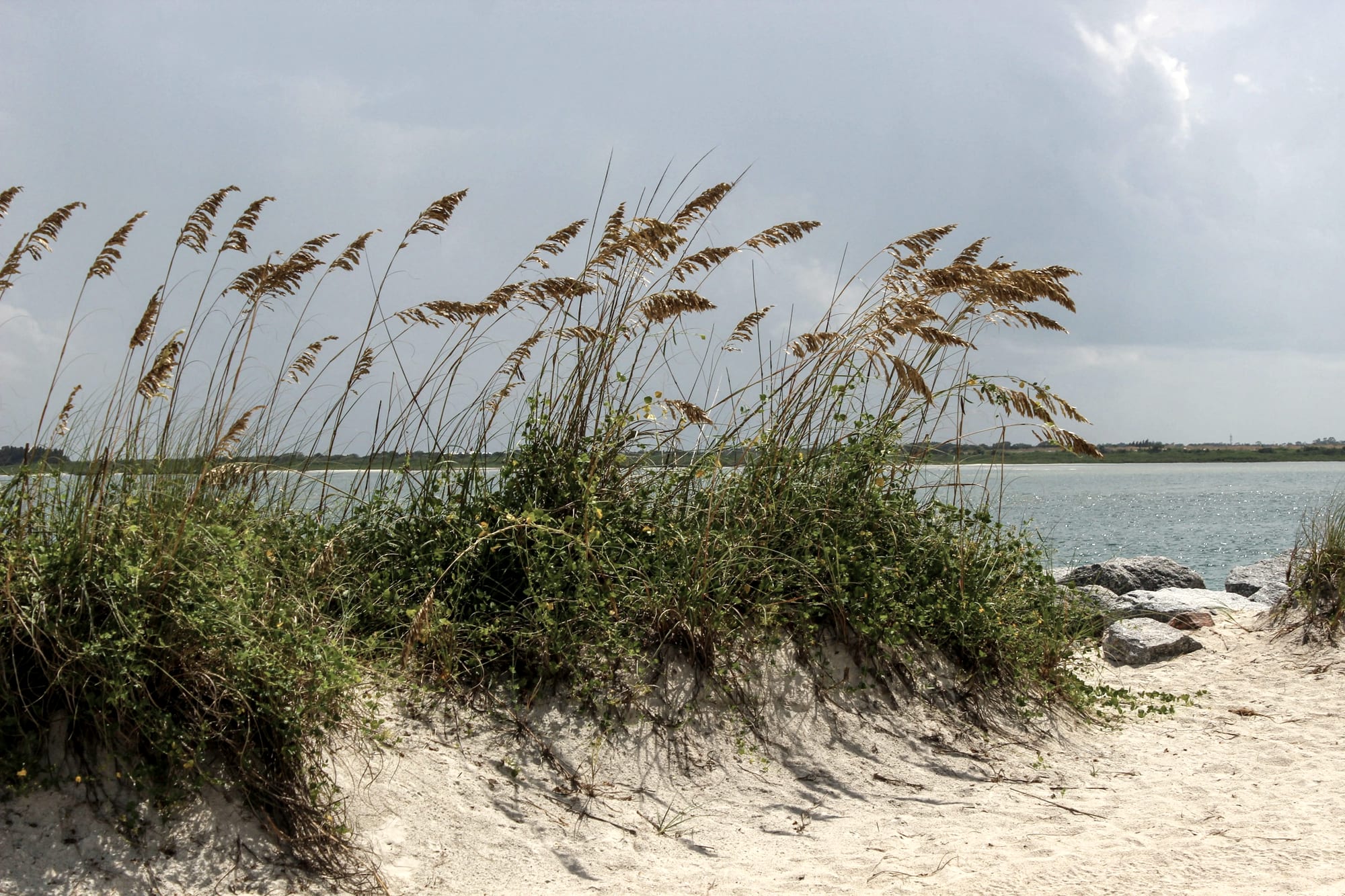
Plate 02 — sand cordgrass holding the bank, Royal Harbor
Clumping sand cordgrass at the edge of brackish water, holding a low bank.

Stated plainly, because vagueness here costs you a garden

A maintenance contract is $340 per visit month for a typical half-acre coastal lot. This is the whole scope. Anything not on this list, we quote before we touch it.

Every visit
  • Hand-prune only what needs it — no shearing of anything that flowers on old wood.
  • Weed beds by hand and by root; no pre-emergent within ten feet of the water.
  • Check every irrigation head, log the ones that need a part, replace it next visit.
  • Leaf litter stays in the beds. It is the only mulch that builds this soil.
Monthly
  • Salt flush on beds within 100 ft of open water — a deep soak that pushes chloride below the root zone.
  • Photograph and log anything declining, with the date, so we can tell drought from disease.
  • Clear the swale outfalls and the dune walkover drains.
Quarterly
  • Soil pH and salinity read at three fixed points. You get the numbers, in writing.
  • Slow-release feed at label rate, or none at all if the readings say none — most Naples gardens are over-fed.
  • Irrigation audit: run time per zone adjusted to the season, catch-cup test annually.
Twice a year
  • Structural pruning of trees, October and April, taking no more than a quarter of the canopy.
  • Palm work: dead fronds and fruit stalks only. Nothing green comes off — a hurricane cut is a myth and it starves the bud.
June 1 — storm prep
  • Fruit and seed stalks off every palm on the property before they become projectiles.
  • Loose stakes, ties and ornament removed and stored.
  • Container plantings mapped for where they go and who moves them.
After a named storm
  • On site within 72 hours for clients on contract, no call-out charge.
  • Salt flush across the whole property within five days — this is the window that saves plants.
  • Stand up and re-stake what is worth standing up. Assessment sheet on what to replace, and honest about what will recover on its own.

Not included, and we will say so out loud: mowing turf, blowing hardscape clean of natural leaf litter we asked you to keep, and any pruning that removes more than a quarter of a canopy. Hat-racking a tree is how it fails in the next storm.
04 — Three sites

We photograph a garden to log it, not to sell it — the record that counts is the dated one described in section 03. Seagate is the site we have in plates. The other two are here in full, in words.

Seagate, beachfront

0.6 acre · design + install + maintain · 2022–

Problem — The previous planting was queen palms and podocarpus hedge on a lot 90 feet from open Gulf. Everything on the west side was brown within two years and the owners were replanting it annually.

What we did — Removed the hedge entirely. Built a graded first line of sea grape, spanish bayonet and railroad vine on the seaward side, with sabal and silver buttonwood behind it, and put the ornamental planting in the lee of the house where it can survive.

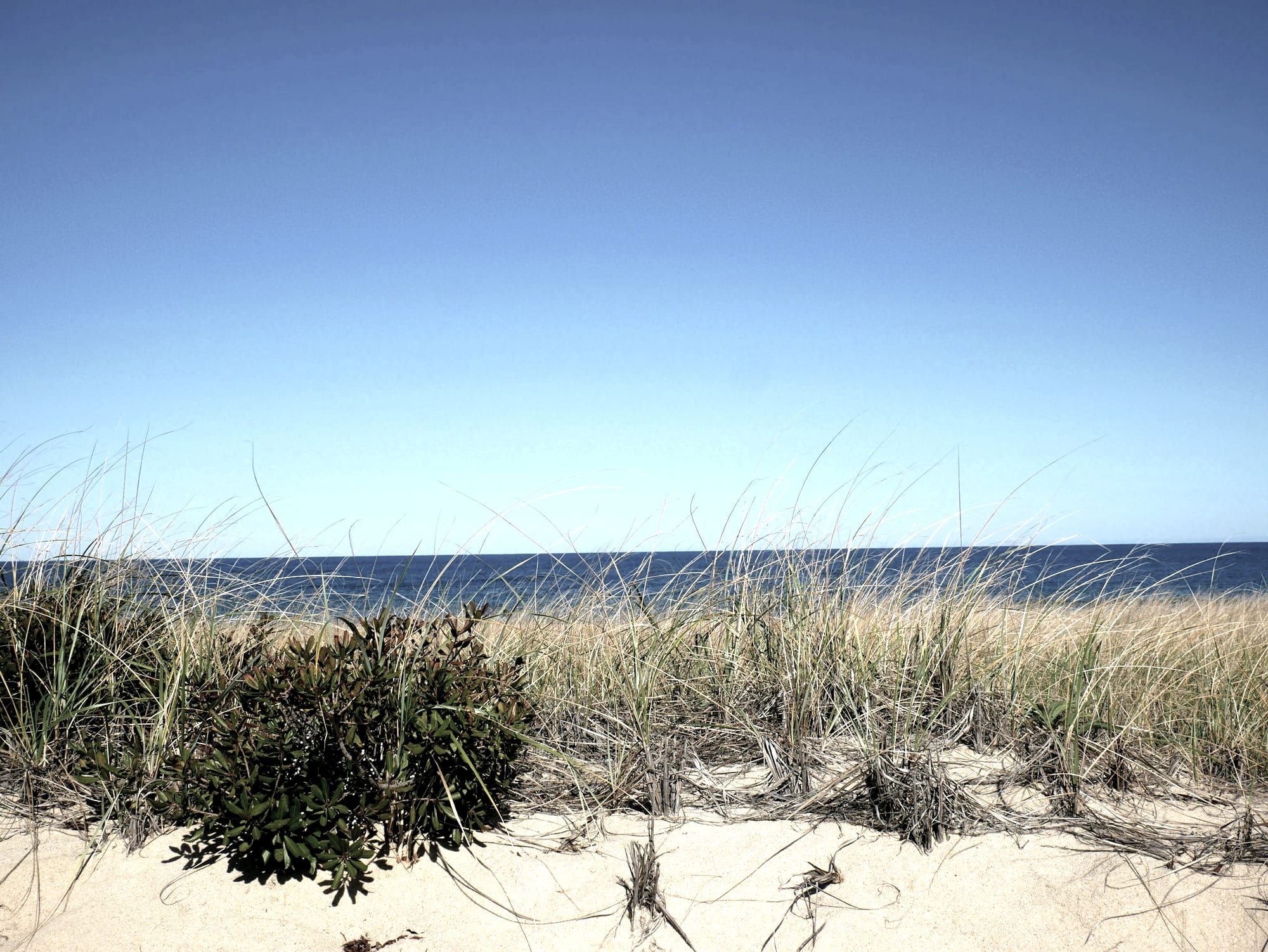
Plate 03 — the seaward line at Seagate, third season
A graded seaward planting line of low coastal shrubs and grasses behind a dune, with the Gulf beyond.

Royal Harbor, canal lot

0.35 acre · design + install · 2023

Problem — Irrigation drawn from a shallow well testing 1,900 ppm chloride by April — the sprinklers themselves were burning the plants. Beds were also two inches below the seawall cap and held water for days after rain.

What we did — Re-graded the beds to fall away from the seawall, cut new swales to a dry well, and replanted with species that will take brackish irrigation: sand cordgrass, buttonwood, jamaica caper, coontie. Ornamentals moved to drip on a rain-fed cistern.

The cordgrass in Plate 02 is this lot

Pine Ridge, inland acre

1.1 acre · restoration + maintain · 2019–

Problem — Two mature live oaks in decline after a driveway was widened through their root plate, and an understory of nothing but sod and bare shade.

What we did — Removed 1,400 sq ft of driveway and turf over the root zones, decompacted by air spade, and built a real understory — wild coffee, marlberry, simpson's stopper, coontie. Both oaks held through Ian without losing a major limb.

Closed canopy — it photographs as a dark green nothing

05 — Enquiry

Tell us what the ground is doing

Ruth answers enquiries herself, usually within two working days. First visit is a walk of the site with a soil probe and a salt reading — no charge, ninety minutes, no drawings.

ruth@marlandshell.com
2210 Shadowlawn Drive, Naples FL 34112
Demonstration only — nothing is transmitted